HAIIA 理論 / HAIIA Theory
HAIIA 理論は、動詞中心意味論に基づき、言語・感情・自己概念・論理の再定義を行う研究です。これらを静的な「存在」ではなく、動的な「生成場」として捉え、構造化される直前に入っていきます。
HAIIA Theory is a research initiative that redefines language, emotion, self-concept, and logic through verb-centered semantics. Rather than treating them as static “entities,” it approaches them as dynamic fields of generation and enters the prelude immediately prior to their structuralization.
Language: Japanese / English (parallel)
思想的基盤 / Conceptual Foundations
- ベンジャミン・リー・ウォーフの動的言語観 / Benjamin Lee Whorf’s dynamic view of language
- 井筒俊彦の関係的存在論とアーラヤ識 / Izutsu Toshihiko’s relational ontology and ālayavijñāna.
- アンリ・ベルクソンの純粋持続 / Henri Bergson’s pure duration (durée)
理論全体像 / Theory Map
Published and planned papers outlining the structure and evolution of the HAIIA framework.
- HAIIA-Part1

- HAIIA-Part2

- HAIIA-Part3

- 実装を優先して、完成後に公開範囲を検討します。
論文Part2に関する私とGPTの会話ログはこちら。
conversation log between me and GPT about Part 2 of the paper. [Japanese only]
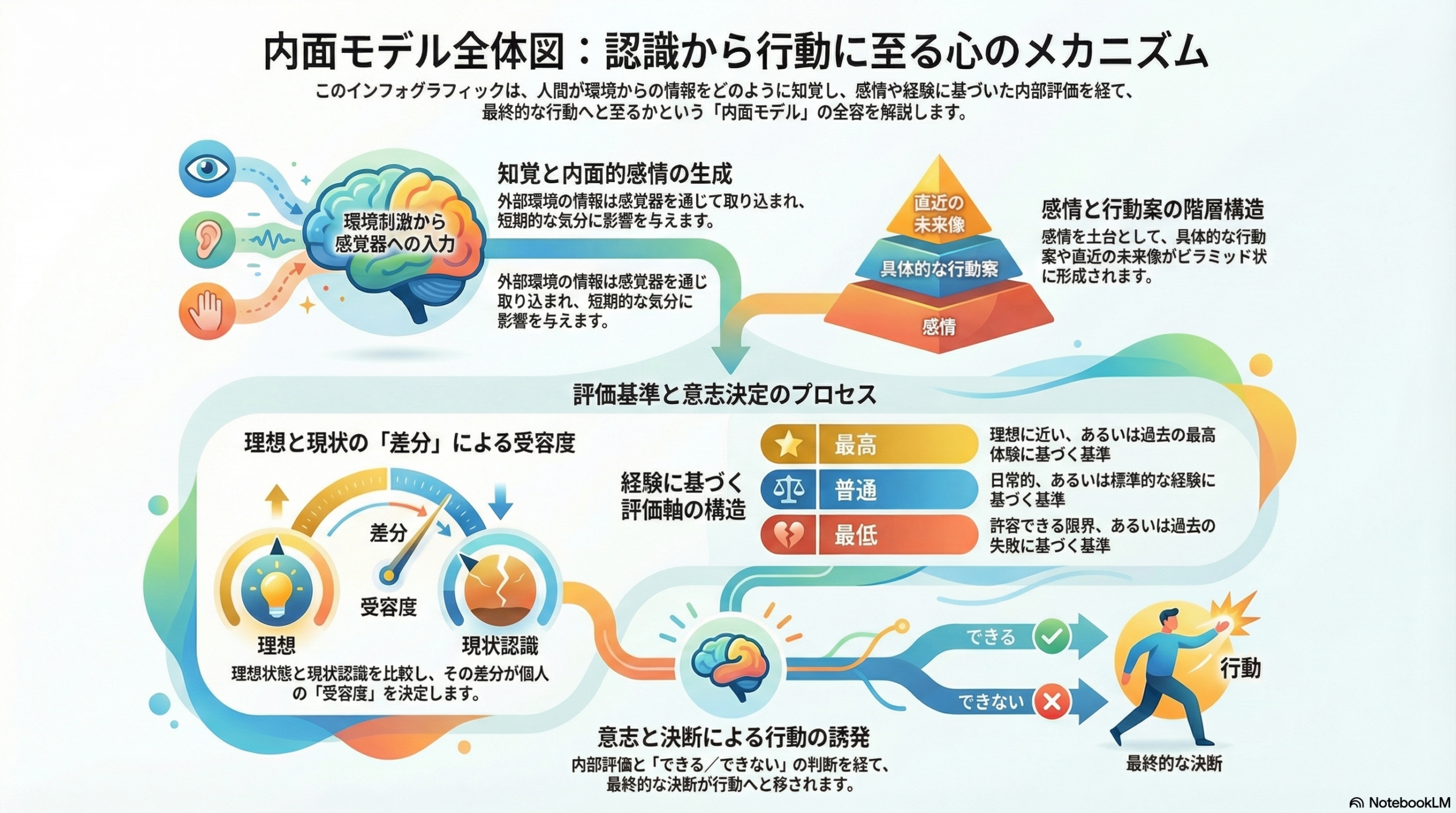
解説動画 / Explanatory video
10分弱の解説動画。客観性担保のためGoogleのAIで作成/ An explanatory video of just under 10 minutes. Created using Google AI to ensure objectivity.
コラム / Column
構造転写デモ /
Structural Transposition Demos
HAIIA 理論の中核である「構造を抽出して、別の器に転写する」能力をゲーム設計で実施した事例です。
HAIIA’s core capability — the ability to discern structural patterns and transpose them into a different medium — is demonstrated in these experimental projects:
- ドミニオン → トランプ / Dominion → Playing Cards [Japanese only]
- “麻雀 → トランプ / Mahjong → Playing Cards
補記 / Notes
このサイトは理論の進化を記録するものであり、商業目的ではありません。
This site archives the evolution of the theory and is not for commercial purposes.
- 2025:GPT共同でHAIIA理論を定式化 / Formalization of HAIIA theory in collaboration with GPT
- 2008–2024:感情・関係・場所の独自理論構築 / Independent formulation of emotion, relation, and place
- 1999–2002:AI・意味・自己概念の研究 / Research on AI, meaning, and self-concept
- 1996–1998:R&B/SOUL体験と自己核の探求 / Exploration of R&B, SOUL, and the human core
背景や音楽的出発点は以下で読めます。
Background and musical origins can be read here: [Japanese only]
https://www.p2s2rb.com/MyWork3.html (2011)
https://www.p2s2rb.com/BMcknight1.html (2002)
HAIIA Theory — Human–AI Intersubjective Intelligence Architecture
© 2025-2026 Hiroshi Hamada & GPT-5